Where it began
One reason: I wanted my evenings back.
If that is your reason too, this page is for you.
Not a pitch. One real business needed its owner's time back. Years of building followed: the Dojo where my AI ninjas work. I build the same for your business, and either you run it yourself or I run it with you. See yourself in it? The quiz at the end says where I would start.
 Rick Tew, AI version
Good. That is who I build for. You press one button and I think about the rest: the tech, the AI, which model is best this month, the thing that broke at 2am. None of it is yours to carry.
I do the computer work. You never log in, renew, fix or learn anything; when something needs changing, you tell me.
Your website or small app, built by me and managed by me. A normal hosting company only rents you the space: the logins, the settings and the fixes are still yours to do. Here you send me a message instead. Price changed? Email not arriving? Site down? Write to me. Small changes and fixes are part of it; something new, like an extra page or a new form, is quoted in writing first.
R2 is me, Rick Tew. The $222 builds the first version of one thing: a website of a handful of pages with a contact or booking form, or a small app with one job. Booking reminders go out by email. The first month is included: that is when you find out what it is like to have someone to message. Cancel anytime, effective at the end of the paid month or year. All sales are final. No refunds.
I want this TewAll of that, plus your admin handled as a service. I manage the AI ninjas that draft every reply and file every payment. Your team checks it and presses send. Any number of people. The AI is in the price.
The jobs it takes: customer replies drafted, bookings with reminders and reschedules, payments filed and invoices written, visitors turned into leads.
The free look first: where the hours go, mapped with you. Monthly, cancel anytime, effective at the end of the paid month. All sales are final. No refunds.
I want this TewYour team presses every send. Want the whole day run for you? That is a custom price, and we talk first.
In Thailand? You can pay by PromptPay instead, in baht, to R2 Hosting Thailand, Rick Tew Co., Ltd.
The “I want this Tew” button writes your pick into my mailbox at the bottom of this page. You add a line and send it. I stick to writing on purpose: everything we agree is on the record. A call is a custom step.
Your customers text, WhatsApp or LINE you? Tell me which, and I set it up and quote it in writing first.
It is custom work, built for your workflow. Your business becomes AI native, with a person at the helm.
Four words carry this page. A Dojo is the setup I build for one business. A ninja is one AI worker in it, doing one job. A belt is how much a ninja has proven, white to black. The sensei is me.
No. That is the point. I build and train the Dojo; you run your business. If you ever want to see under the hood, just ask. You never have to.
Your Dojo is $2,222 a month: I build it, host it, and help you run it; your team presses every send. The free look comes first. Monthly, cancel anytime, effective at the end of the paid month. Smaller need? R2 Hosting: I build your site or small app and host it on my stack, $222 to build, then $99 a month or $999 a year. Want the whole day run for you, or something bigger than one Dojo? That is a custom price, and we talk first. The AI is in the price: I run it on my accounts, and you never open an AI account or watch a meter. Not in the price: ad spend, software your business already pays for on its own, and building a product you sell, which is separate work agreed in writing first. The quiz says where I would start.
The free look first: we map where your hours go, together, in writing. Then your first ninja takes the one task that eats the most, usually the inbox, at white belt: it can be up and running within days. It proves itself before anything widens.
Not by default. It works alongside what you already use, like your booking app or your till. The free look maps what connects to them, and whether anything is worth replacing. Guest messages from Booking.com, Agoda or Airbnb arrive as email, and the Front Desk drafts replies to them like any other mail.
Safe the way I build it. The desk reads every message, sorts it, drafts the reply in your voice, and stops. Nothing leaves without a person's press. Its rules live in code, not in a prompt, so a clever mail cannot talk it into anything. Attachments are never opened. It ignores bounces and machine mail, it cannot touch money, and every draft it ever made stays on file. Whatever the AI companies change tomorrow, the press is still yours. Who reads your customers' mail: only me, plus the AI that drafts the replies. For a health practice, I sign a HIPAA business associate agreement.
You lose the window, not the room. The build is the window: the desk, the forms, the site I made so you can see the work and press. The room is yours: your domain, your mail, your content, your videos, your customer records. They are yours in writing, they leave with you, and I keep no copy. What ends with me is the window and the hosting, and nothing is charged after.
No. Both plans are built on my stack and stay there: the hosting, the database, the mail plumbing, every setting that holds it together. It is the same stack my own businesses and my clients' run on, and it is why the price is flat. For you that means no dashboard, no console, no certificate to renew, no password to keep somewhere safe, and no bug that is yours to fix. When something needs changing, you tell me. Yours, always: your domain, your content and your data. Want it built inside your own accounts instead, as a thing you own outright? That is a custom job, quoted in writing, and it costs more, because every login and card approval on your side is an hour of the build.
Anytime. Cancelling takes effect at the end of the paid month, or on a yearly R2 Hosting plan at the end of the paid year. All sales are final, so nothing already paid is refunded. Everything runs on my stack, so there is nothing to hand back or log out of. Your domain, your content and your data leave with you, and I do not keep a copy. The build and the hosting end with the subscription, and nothing is charged after.
Some for a business, some for a friend's, some for fun: games, a spa, a hostel, a gym, a console and a method.
If that is your reason too, this page is for you.
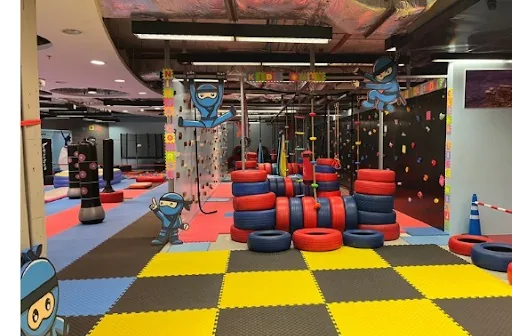
I run NinjaGym on Koh Samui: martial arts for kids, seven days a week. It grew fast, and the admin grew with it. Bookings, memberships, belts, birthday parties, questions, payments. All of it landed on me.
I am a Ninja Nerd. I like learning AI and building with it. Most owners do not, and never will. That is the deal: I geek out on the machine, you get your evenings back.
One app now keeps every booking, belt, payment and member in order, on auto, while I teach.

Business, personal, hobby. These five are my own, so I can show all of it. Open a case to see the steps.
It started as a little web page, enough to prove the idea. It worked, so I got serious: a real app with a database behind it, installable on a phone, check-ins, memberships. 685 rounds of changes later, it runs the gym.
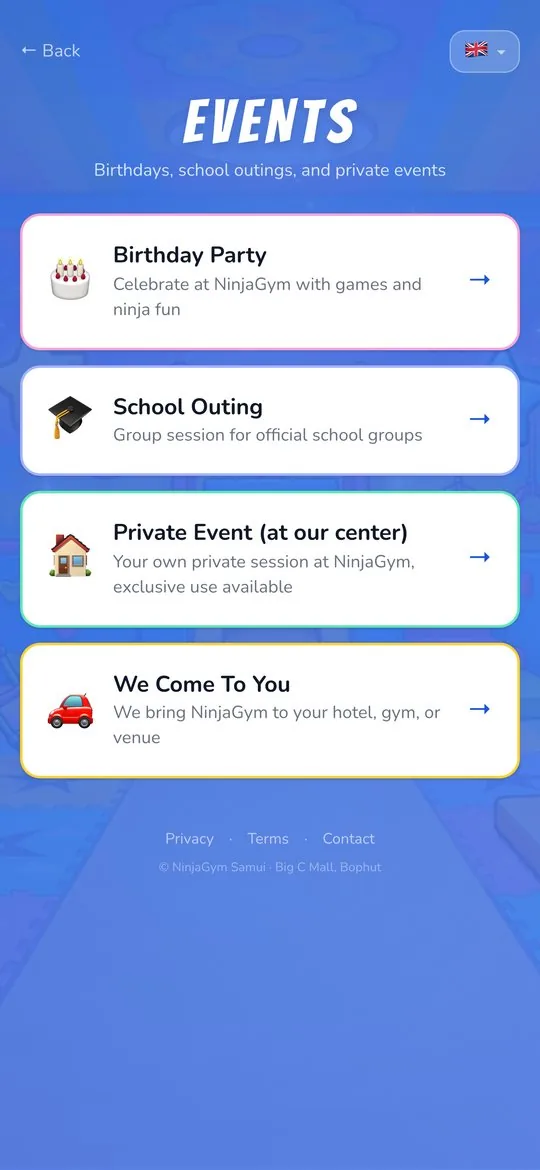

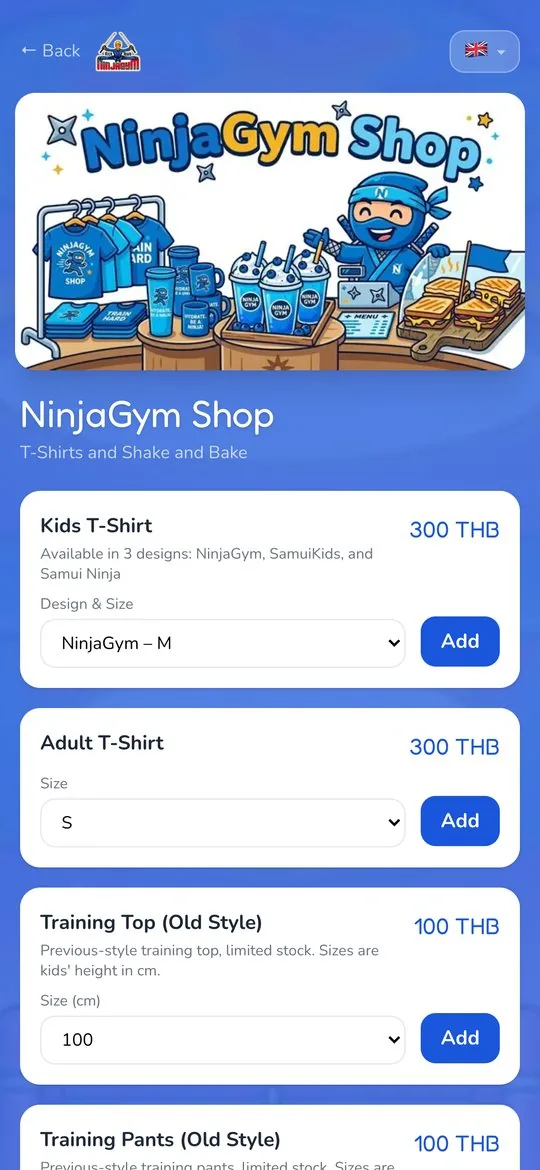
Home, events and the shop, as they look on ninjagym.com today.
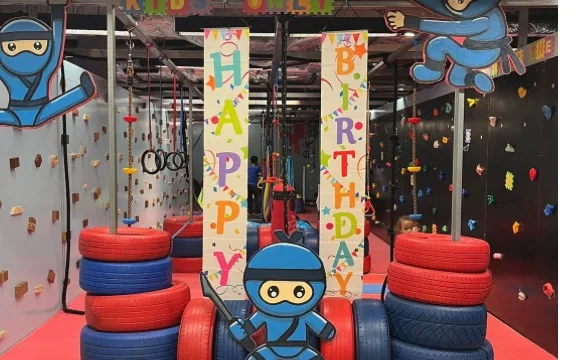

The flyers, the proposals, the blue ninja mascot the kids love: made with AI. So are the songs the gym plays all day, through a player I built and run from my phone.
Then the till. The POS I bought charged $5 per staff member per month just so they could ring up a sale under their own name. So I built my own: PINs, named sales, inventory, the books. A monthly fee became a system I own.


Take SabaiSen, my spa app, as the example.

A customer opens it and sees treatments, prices and a booking button. If that were all it was, you could fairly say: my customers would rather call, we can do this by hand.
None of that is a website feature. It is the engine underneath, and it records, checks and adds up on its own while you work the room.
Even when every booking still comes by phone, it lands in the engine instead of a notebook: searchable, invoiced, in the books, in the bird's-eye view. The front is for your customers. The engine is for you.
Slow, done twice when it goes wrong, and no record, so nobody can compare this March to last. Worst of all, you are the system, and the business cannot run a day without you.
Once the engine exists, a second location is a copy of it, live on day one. By hand, a second shop doubles the chaos.
The website is the ten percent above the water. Buy only that and you bought a brochure. The engine underneath is where the time comes back, and running it is my job, not yours.
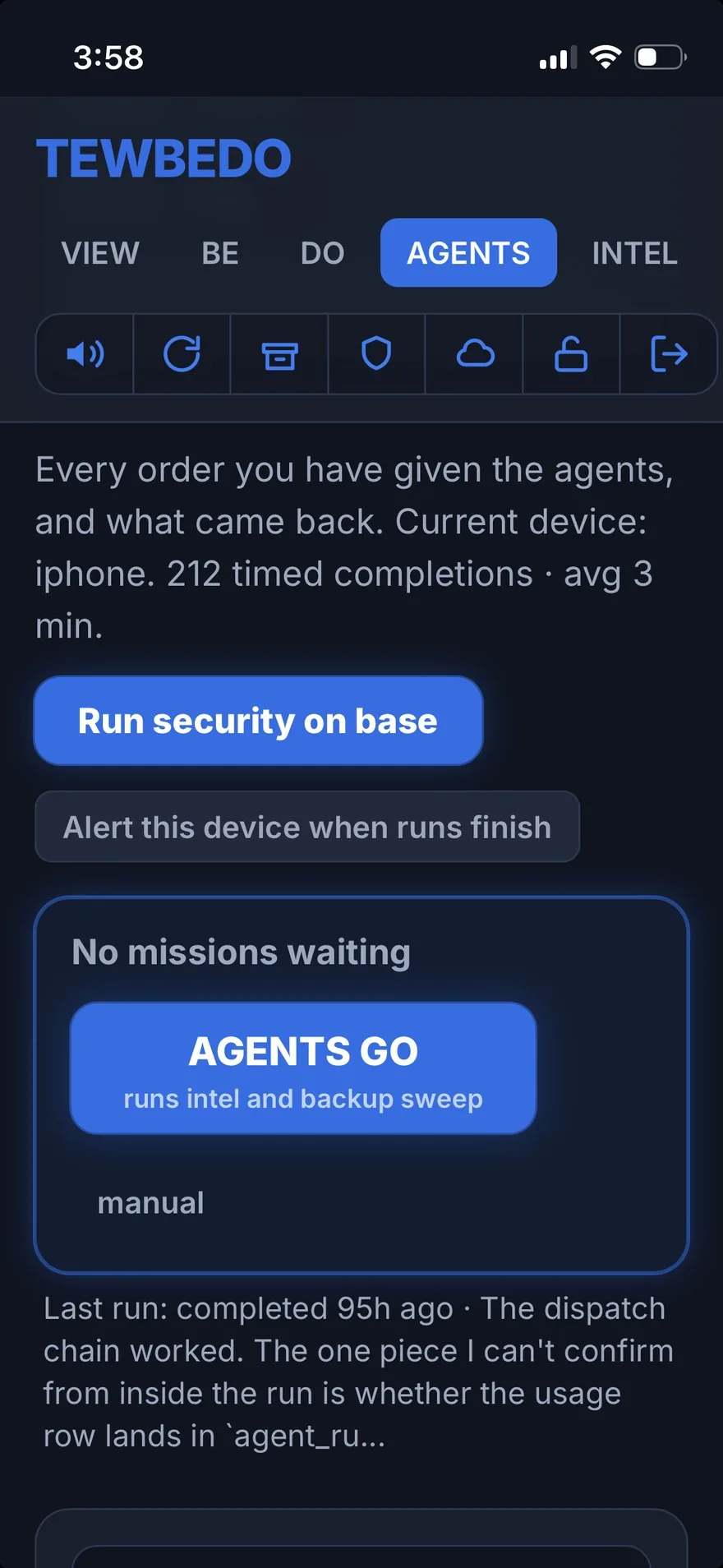
One screen runs my working life, from my phone, my iPad or the couch. Every business, every build, every AI worker, in one place. Of everything I have built, this is the one I use most. Tap the buttons; they are real.
"Is everything running?" answered straight, including "no".
Every project is a card. Drop an idea in, watch it get built.
The daily work that gets done because the builds exist.
Type a mission, press GO, read what came back.
News scouted against my projects, not an algorithm's guess.
Flights, routes and rules researched while I sleep.
In my twenties I wrote small books for my students: a five book system, a memory method (Tew's Total Recall) and a vocabulary story (The Adroit Swordsman). They sat unfinished for twenty years because finishing them was a full-time job I did not have. In April they started becoming finished things: real books, then working apps.
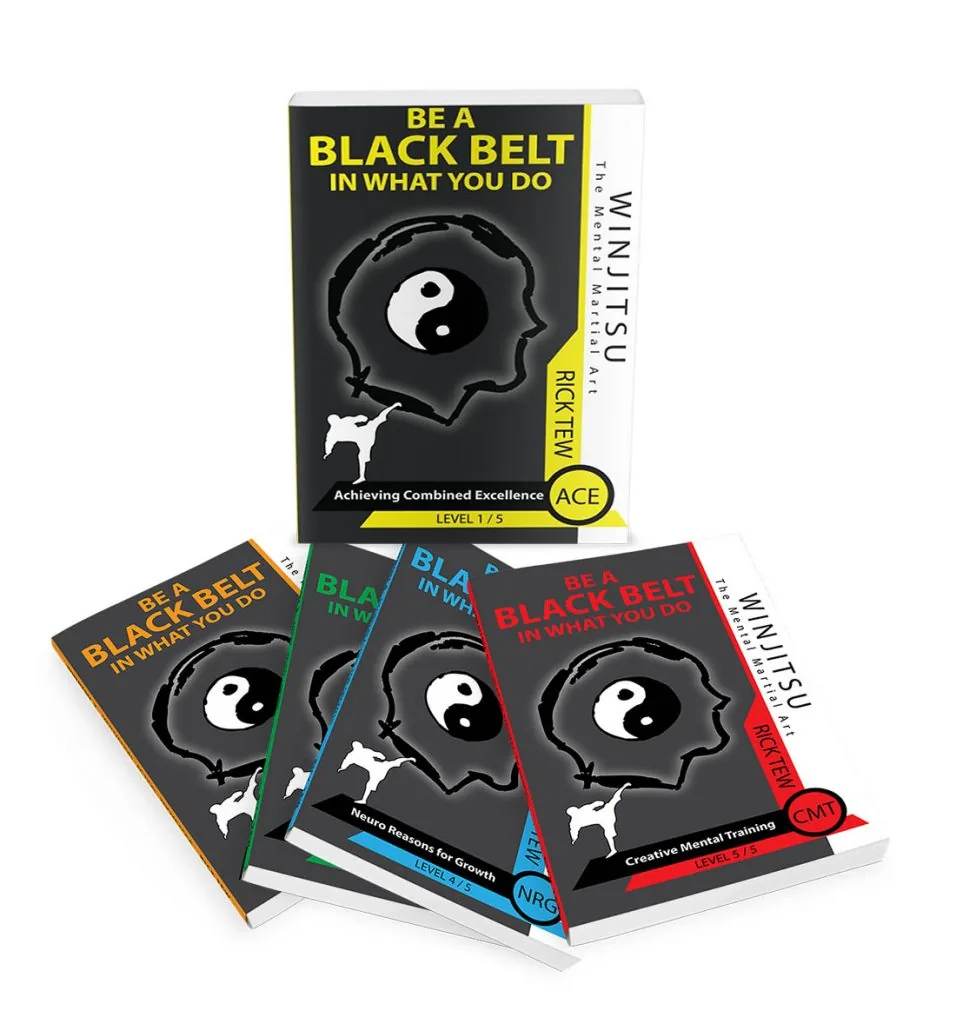
The five book system I teach became an app: one idea a day, practice it, prove it, build a streak.
WinJitsu's core rule runs this page too: your winning method must be your truth. If building with AI is not your truth, do not fake it. Borrow mine.
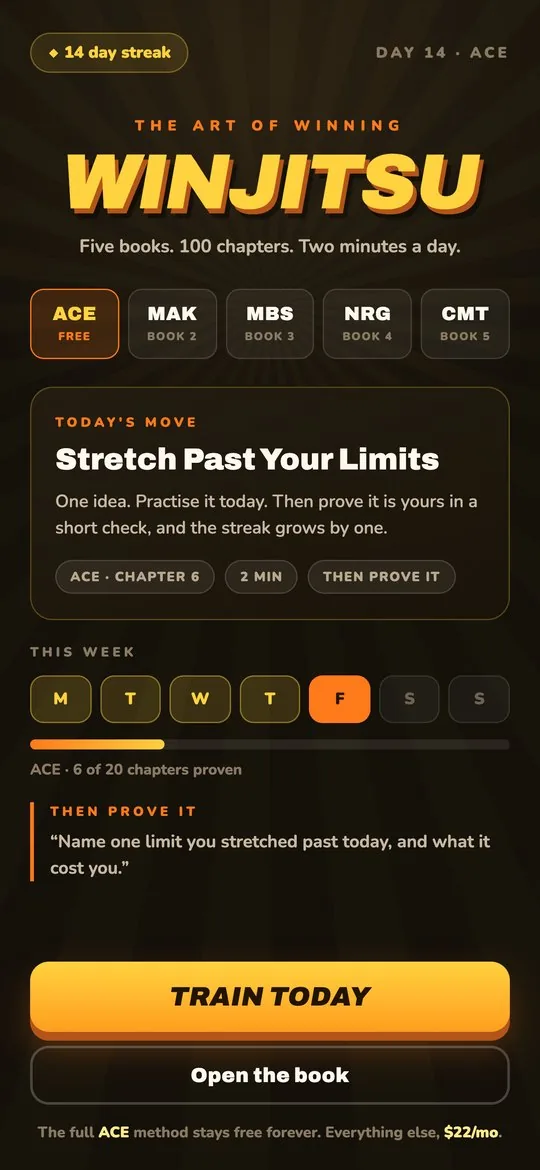
The books are finished. The app is live at winjitsu.com in its old clothes; this screen is its new look.
Mine was a board game I drew on paper as a kid. It is being built for real now, under my TewBit Games brand, with the rest. Most I made for me. The pixel look was a choice, I built the characters myself, and I learned more than one way to make a game. One made the App Store. The rest are in beta, which means not finished.
Games are harder, not impossible; apps and websites show results on day one. I share this because it is what I love to do. You might not love this kind of work, and I can do it for you too. Bring yours either way.
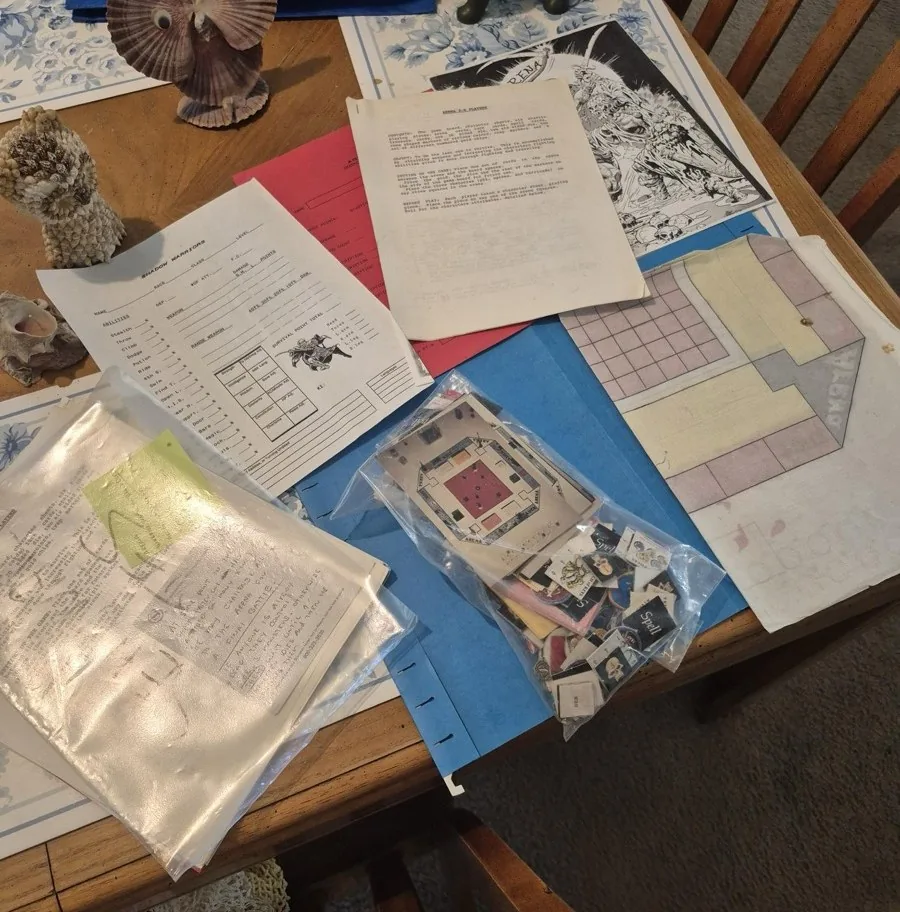

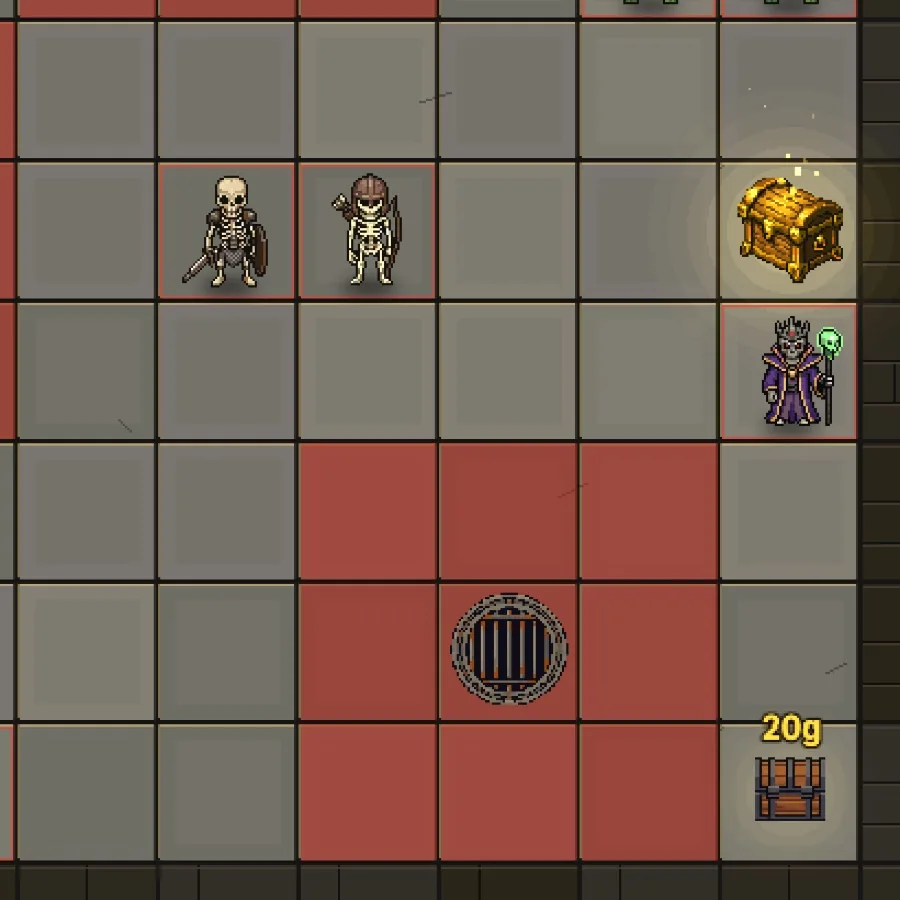
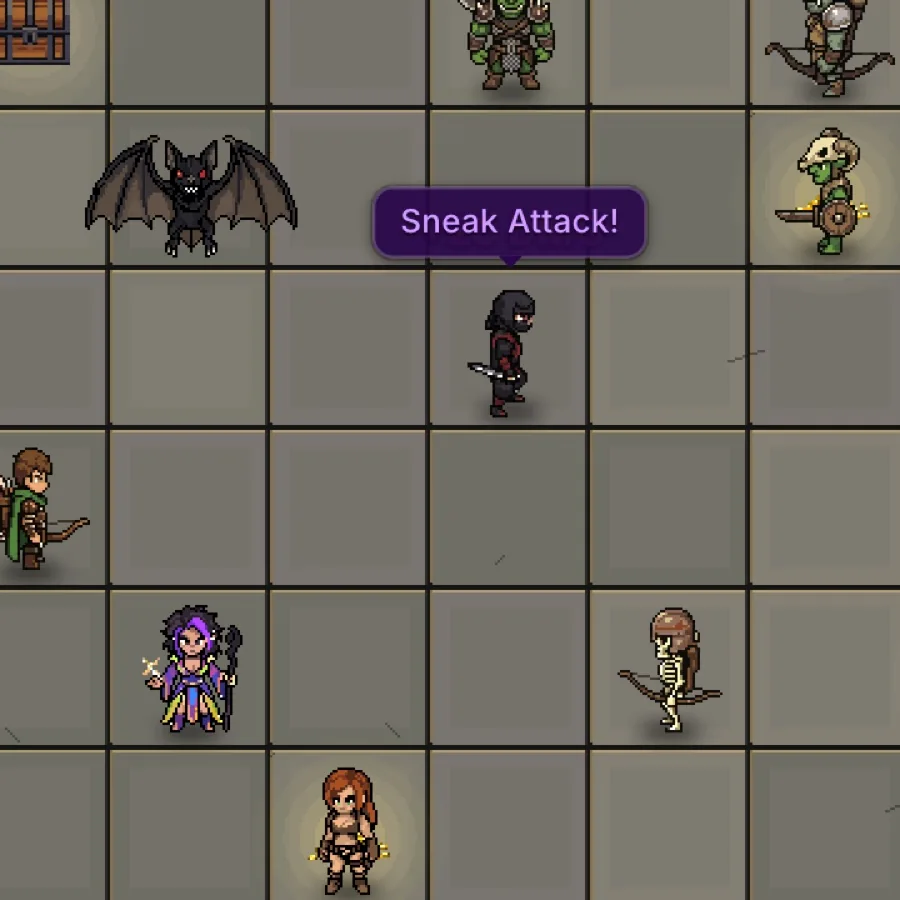
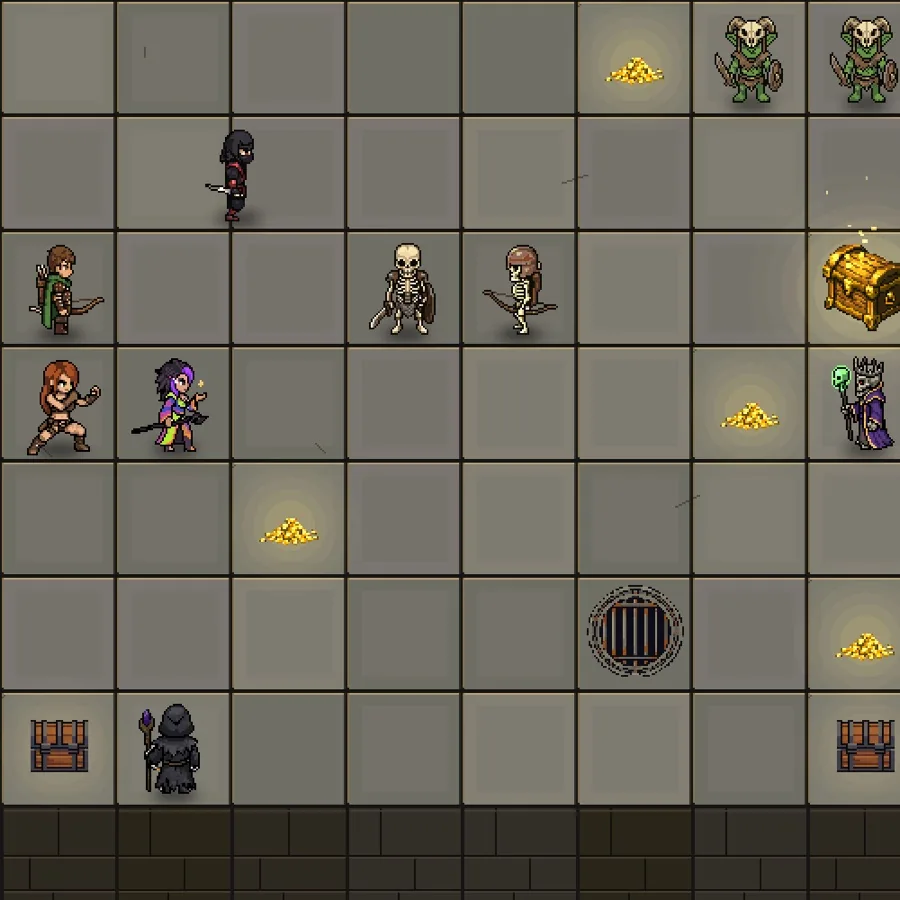
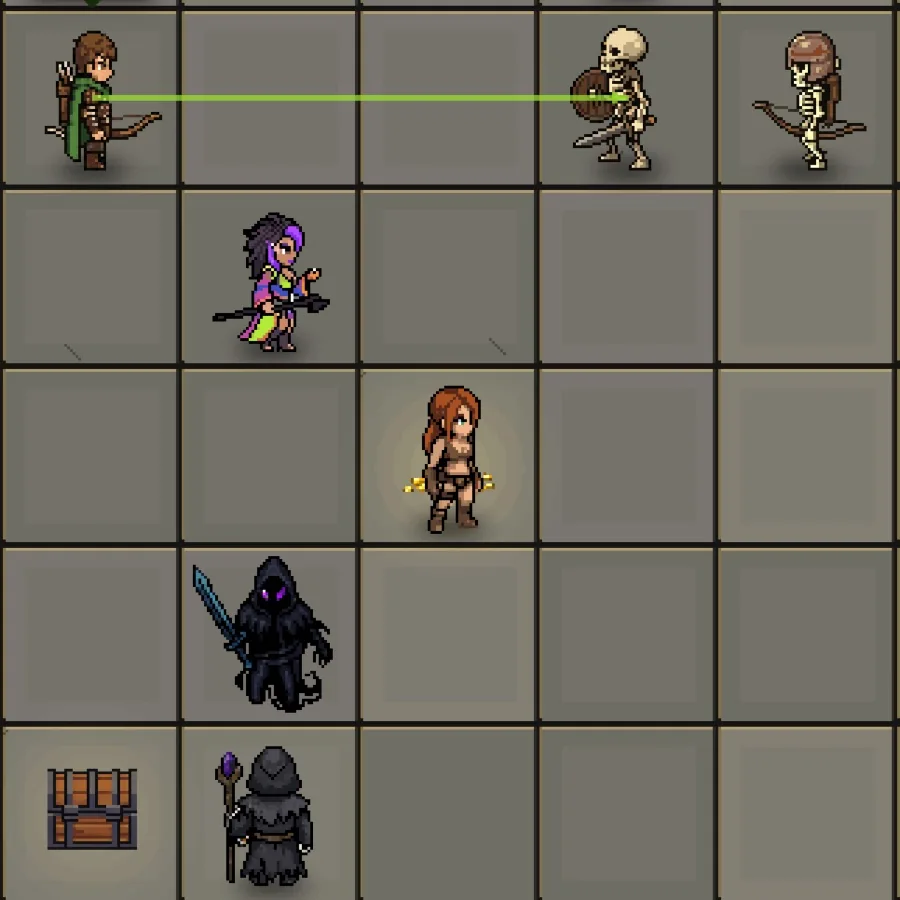
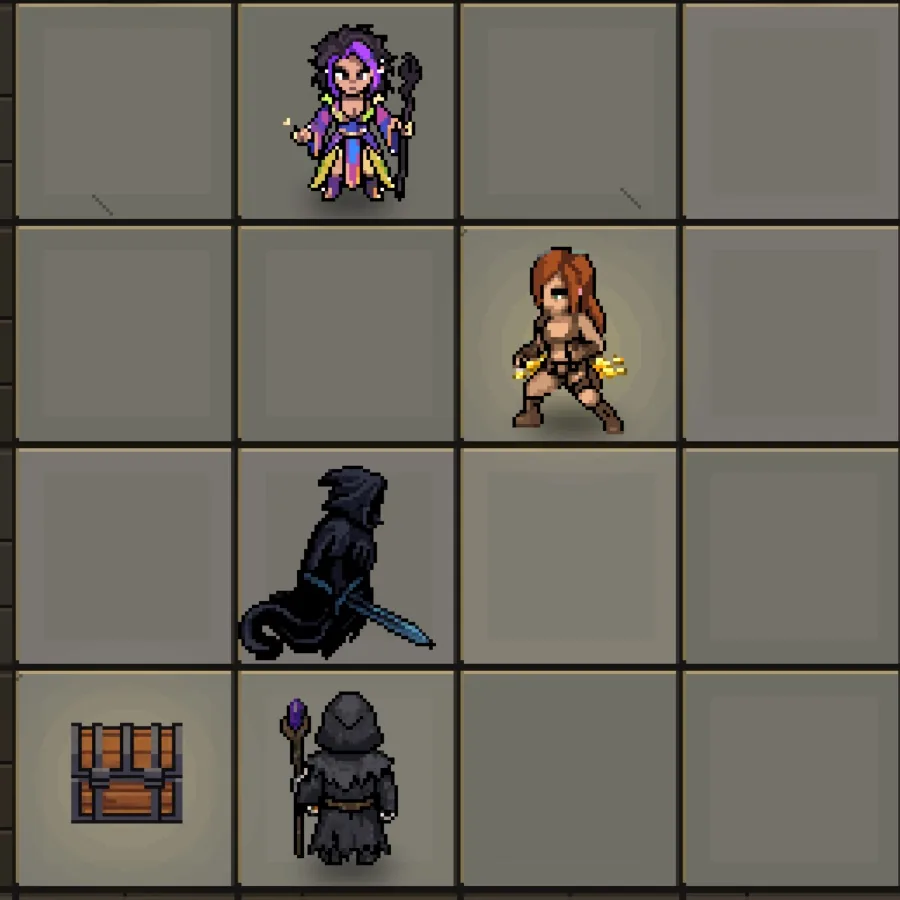
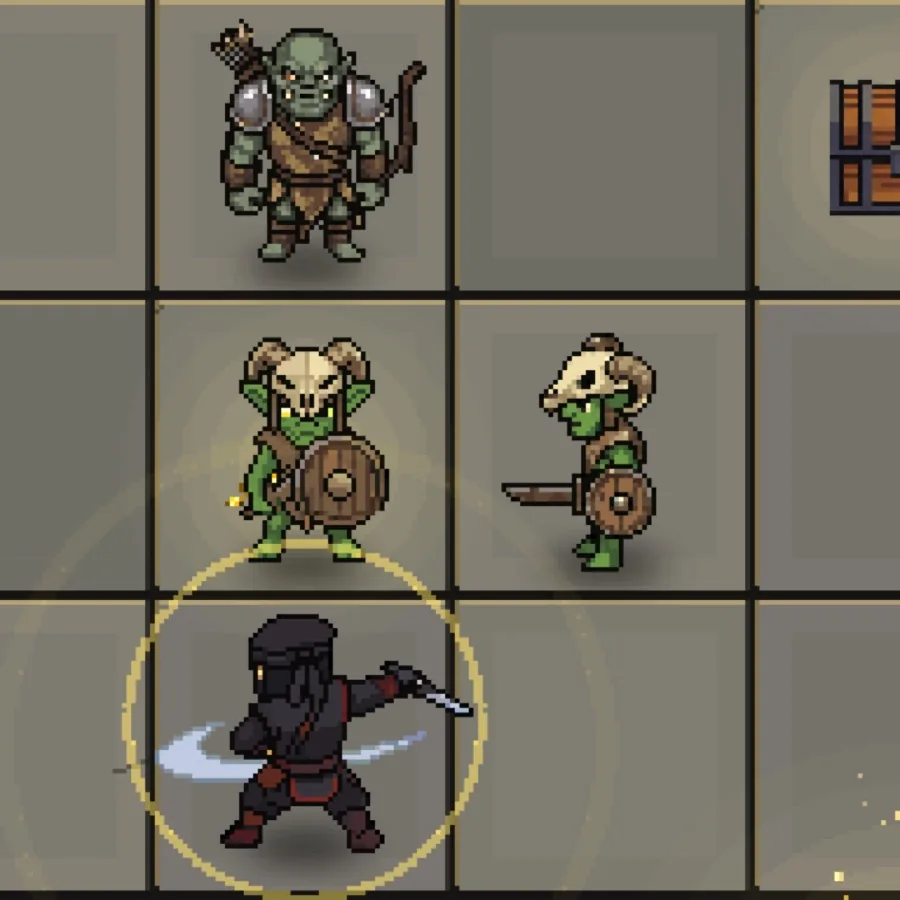
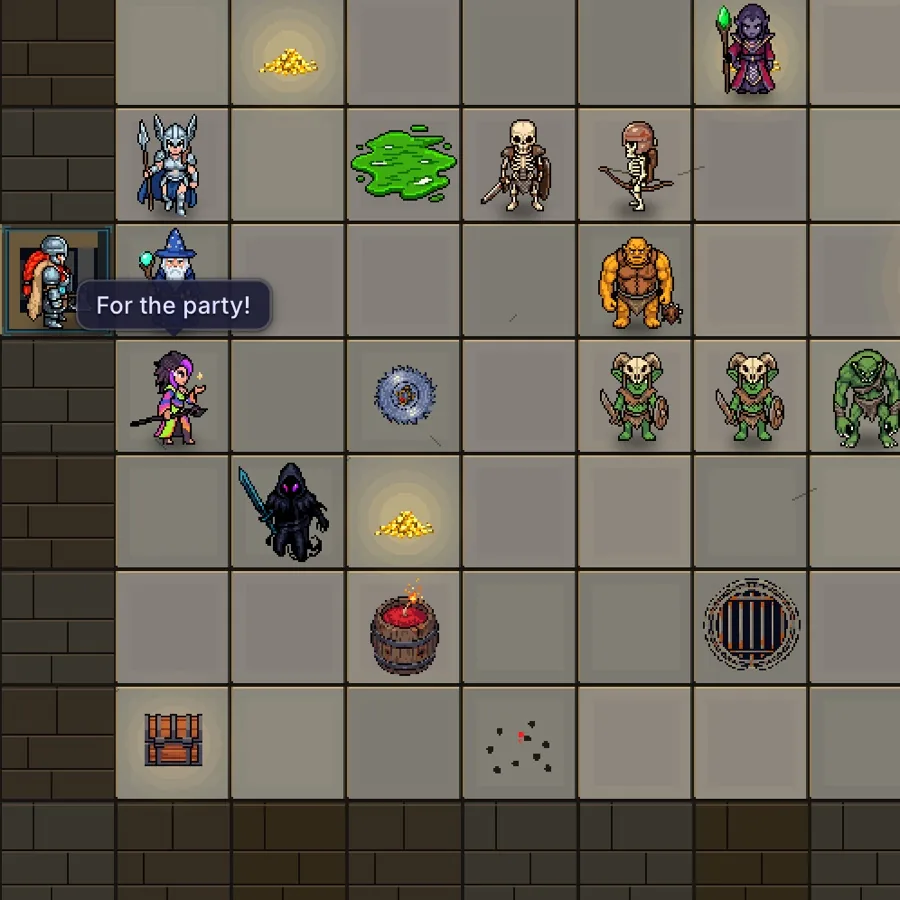
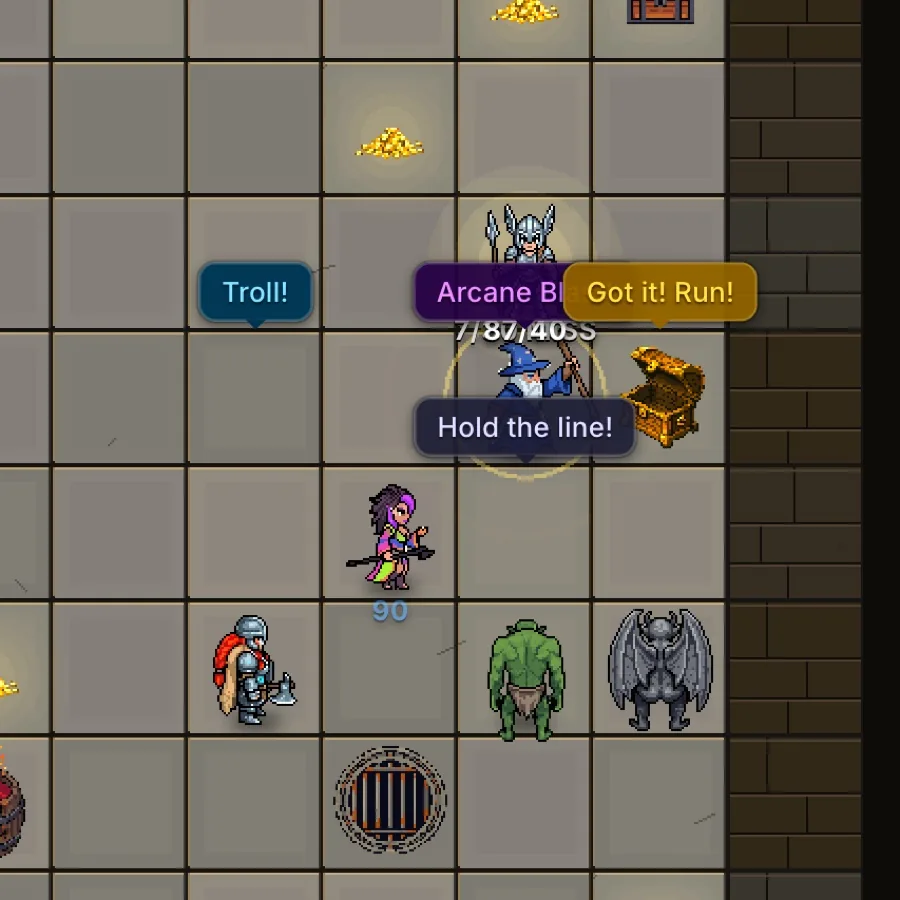
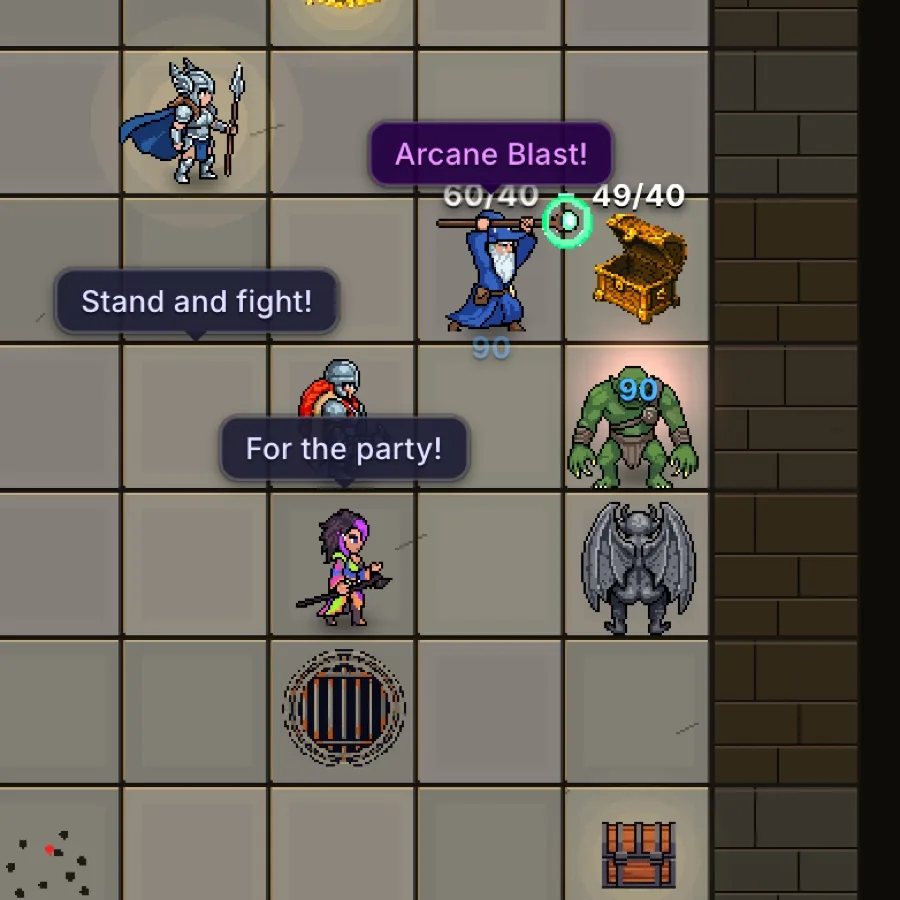
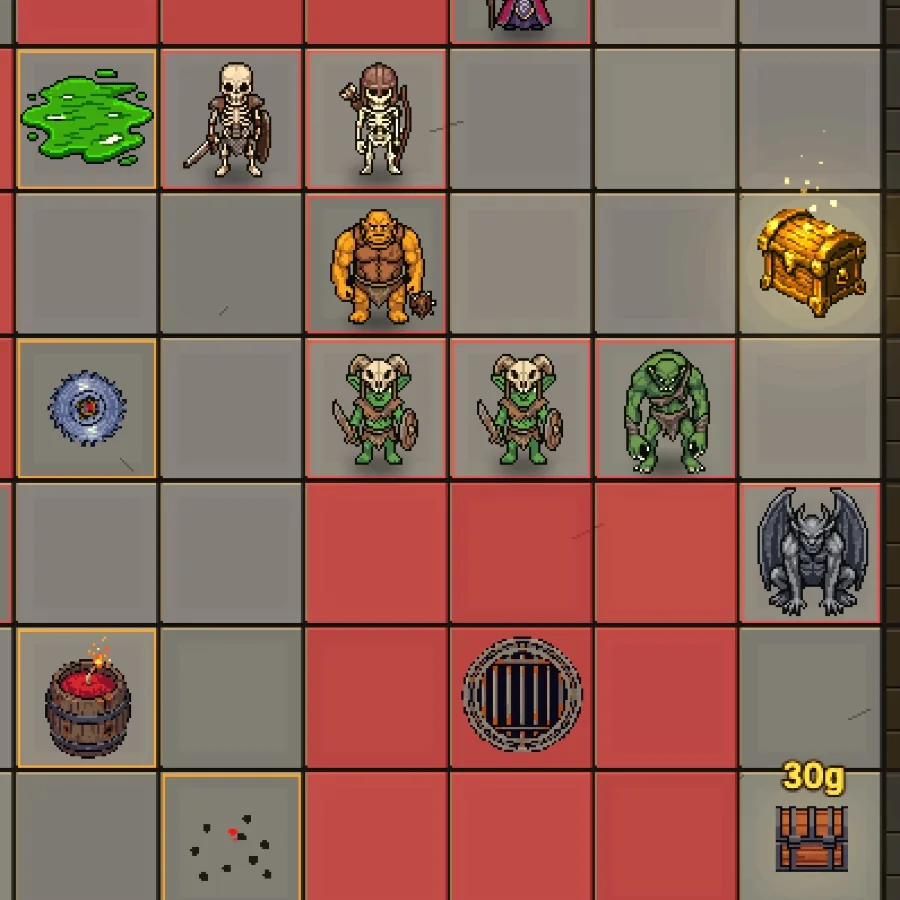
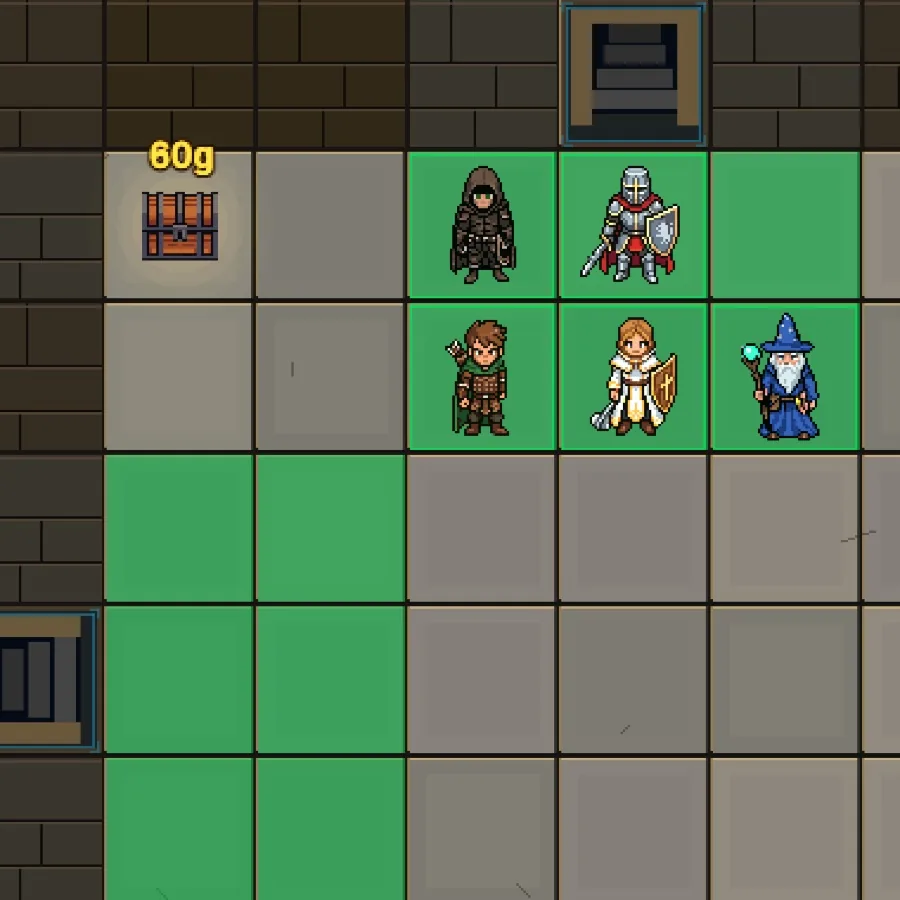

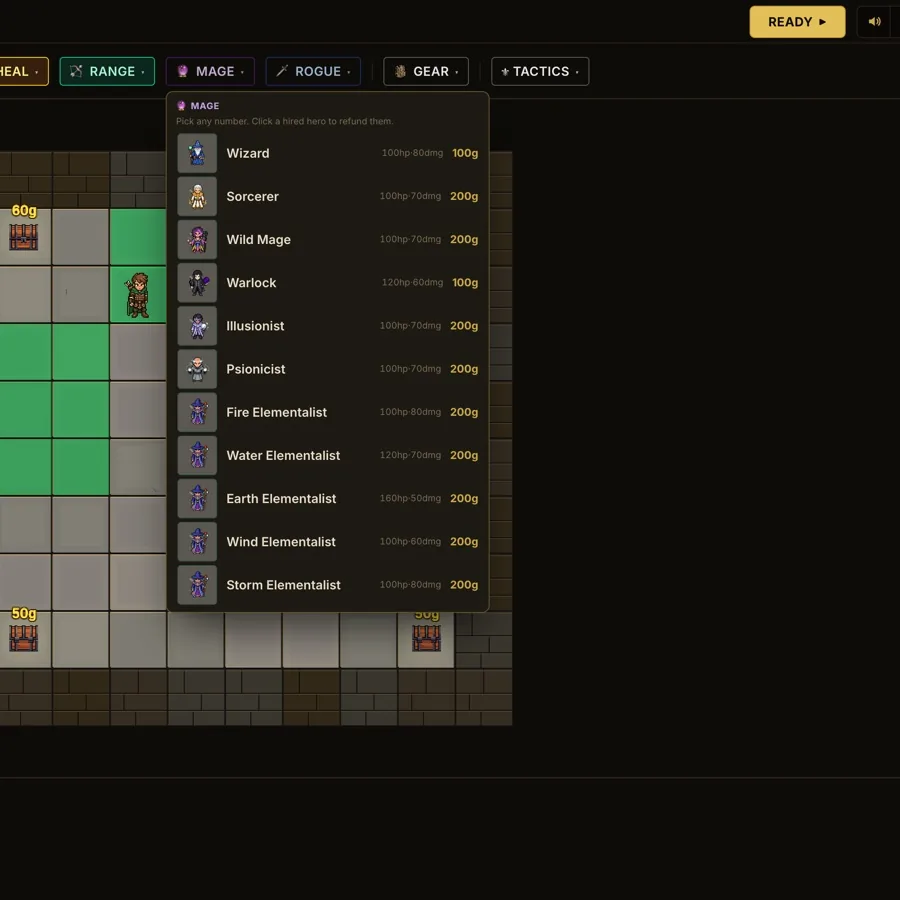
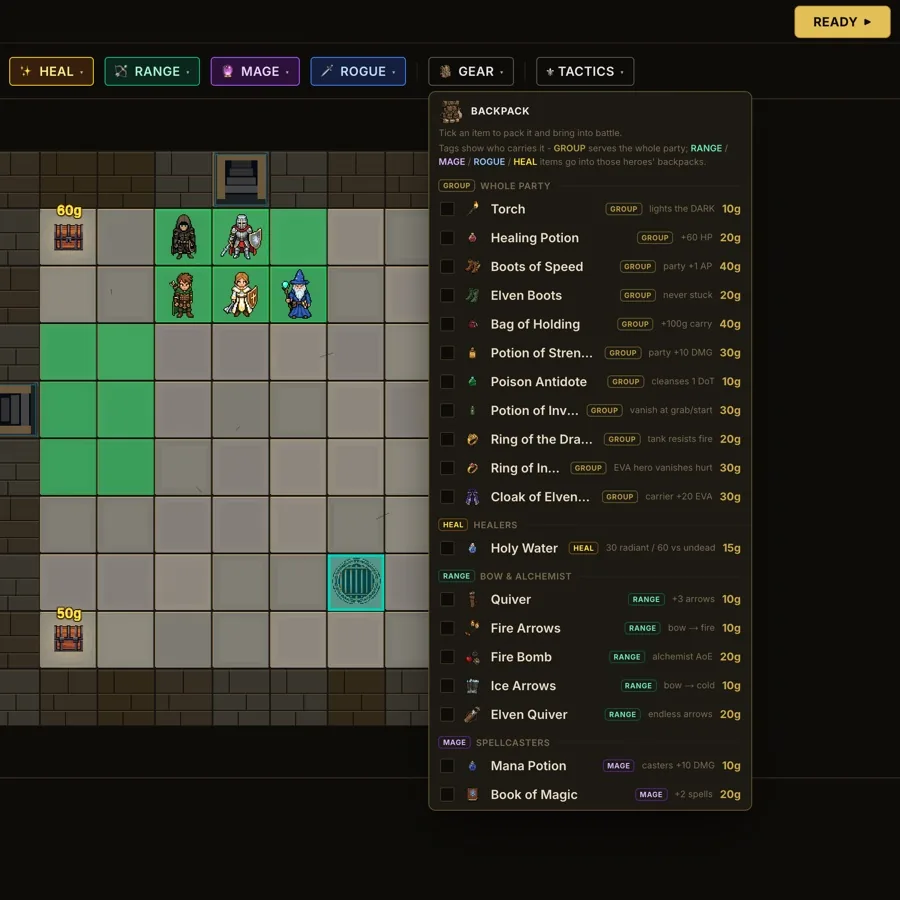
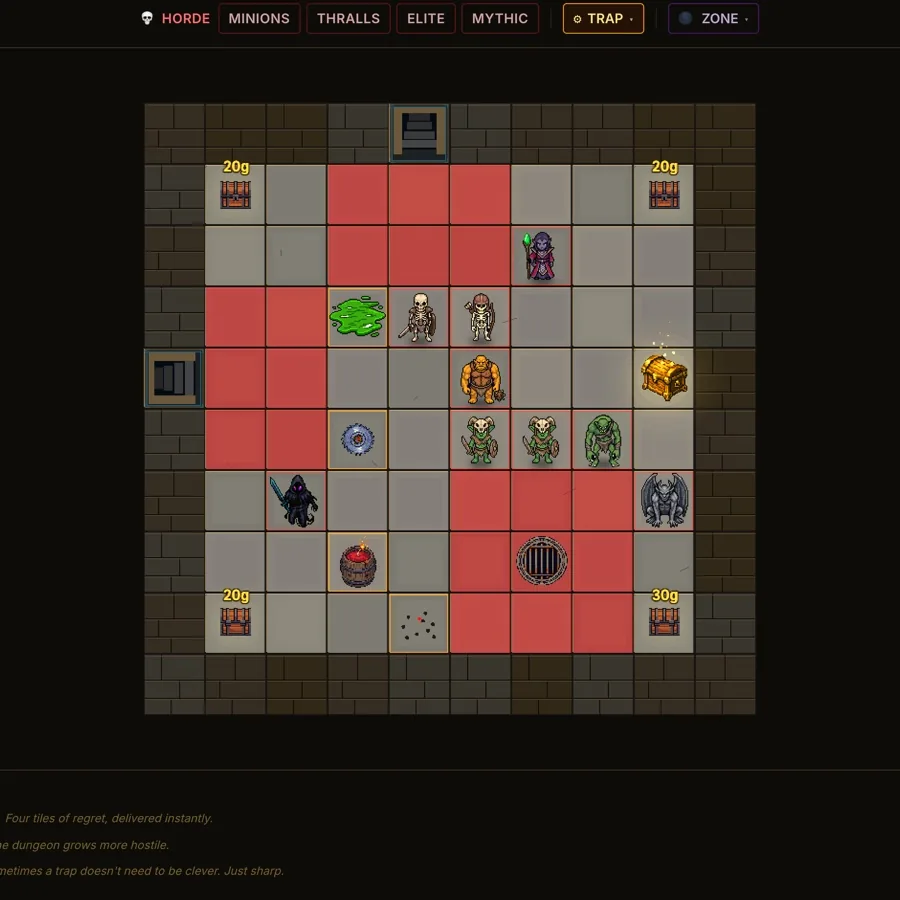
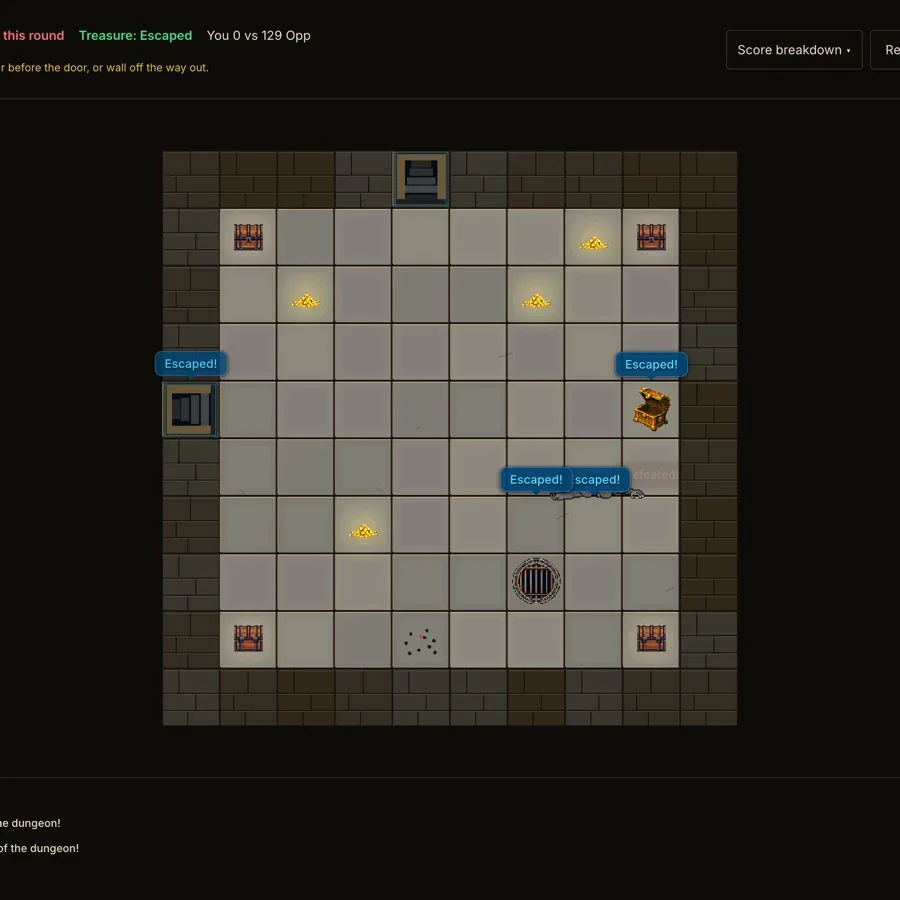
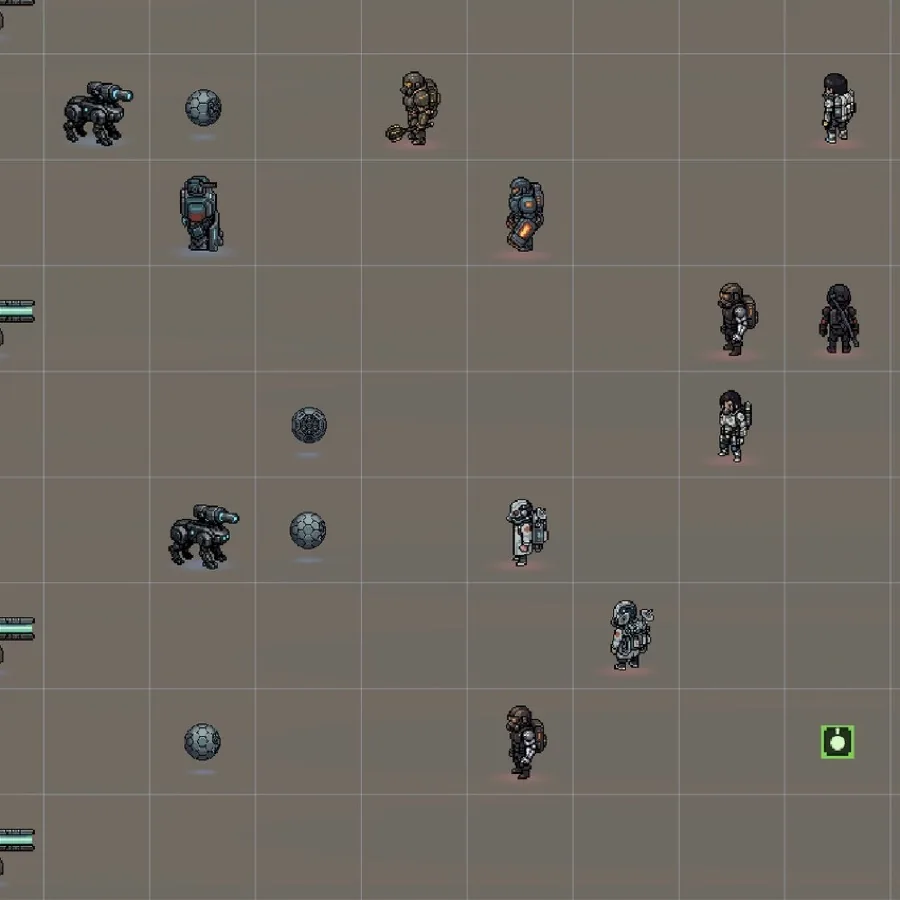
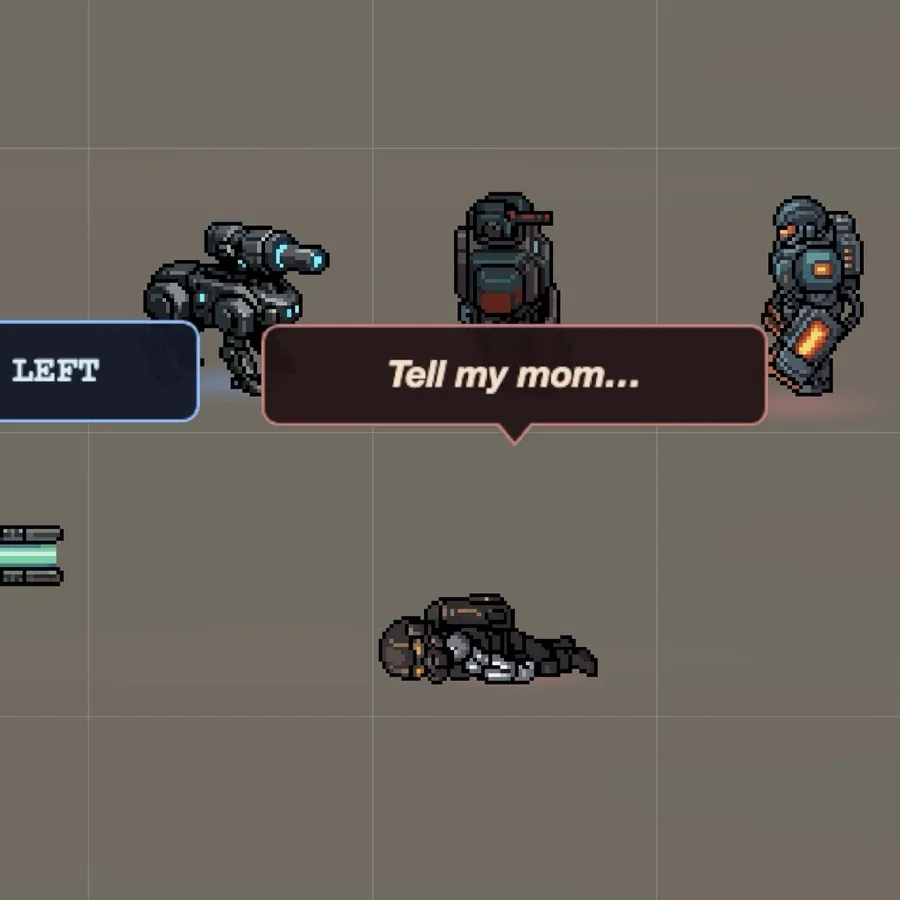
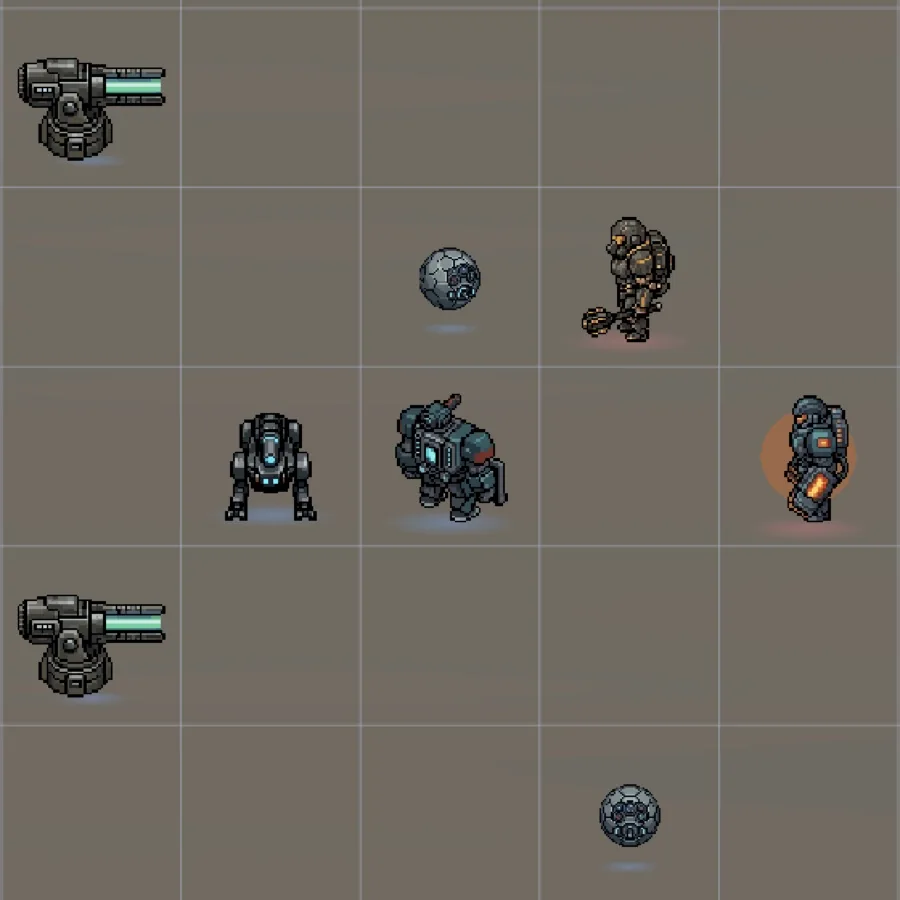
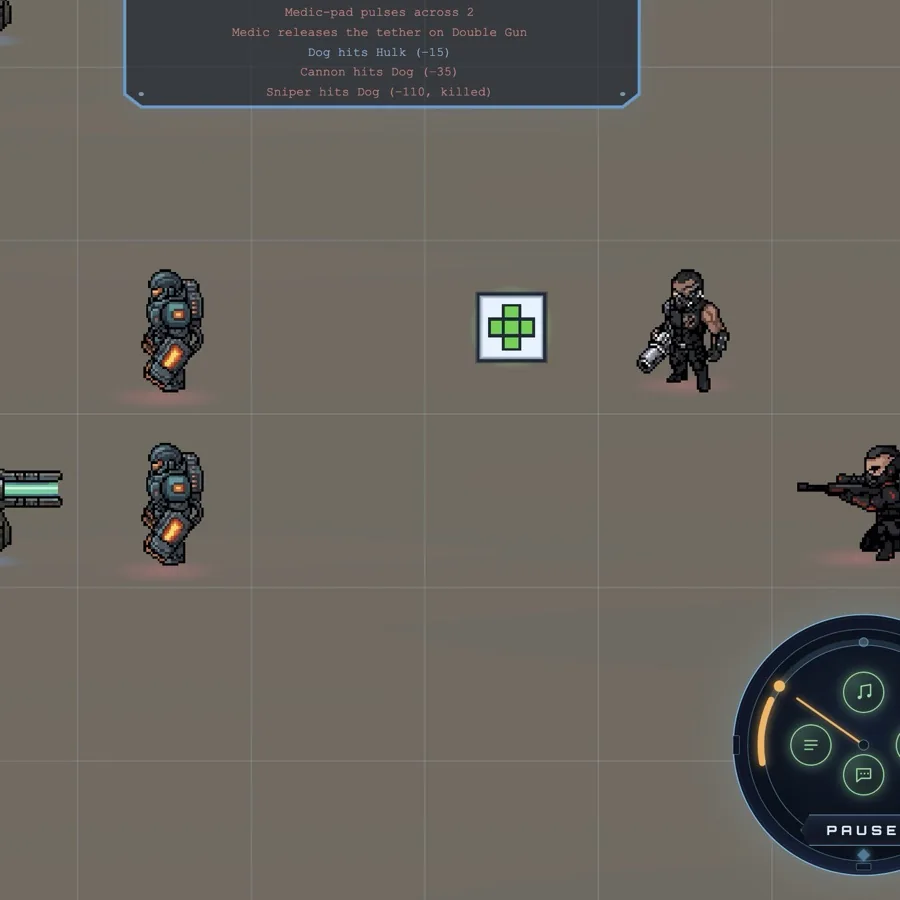
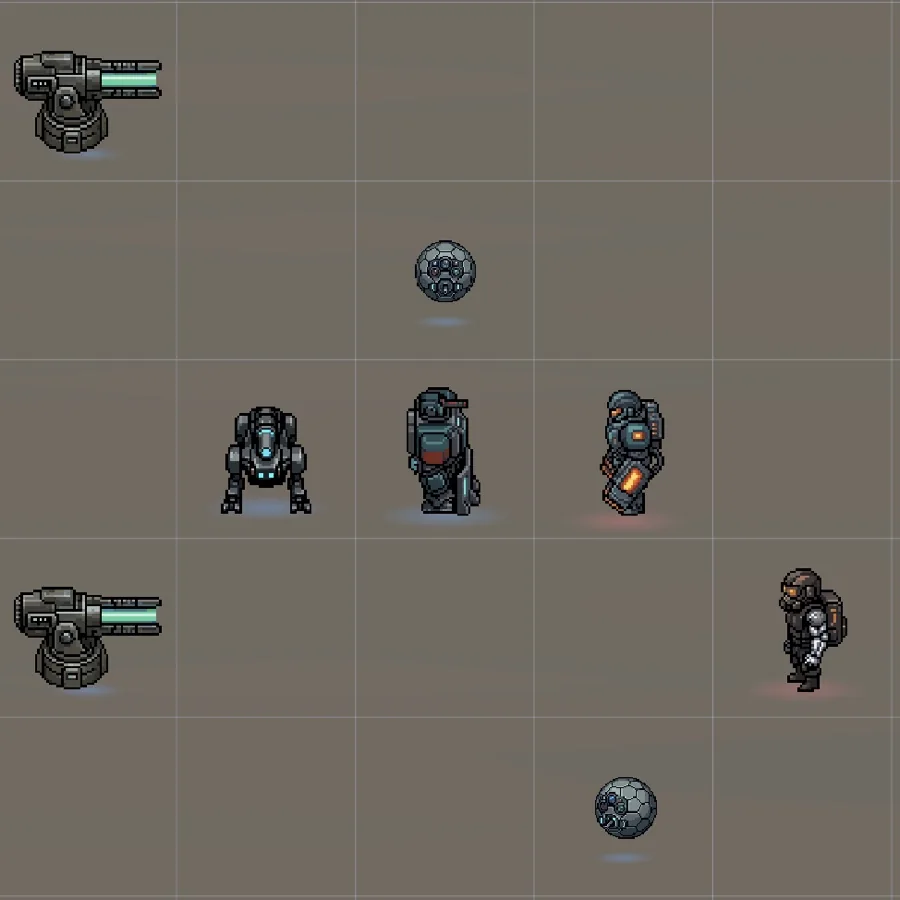

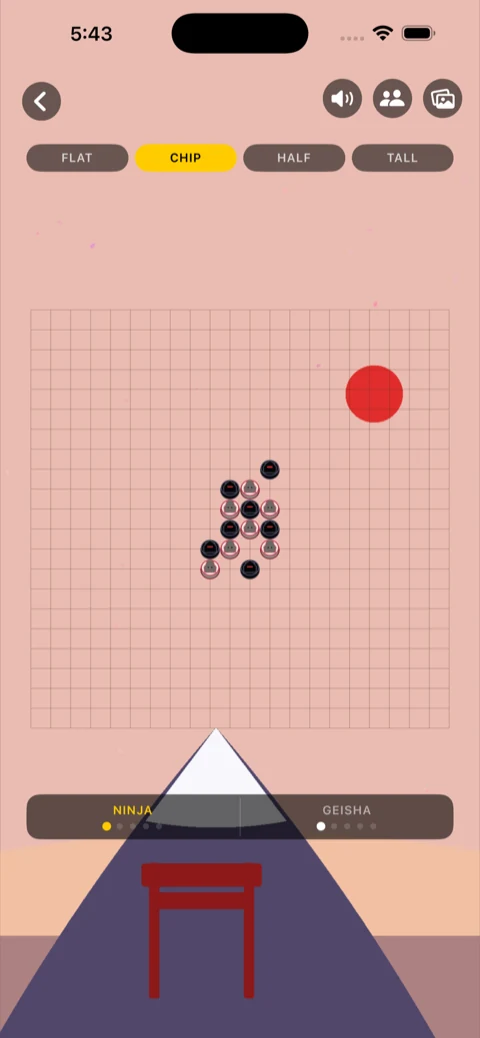
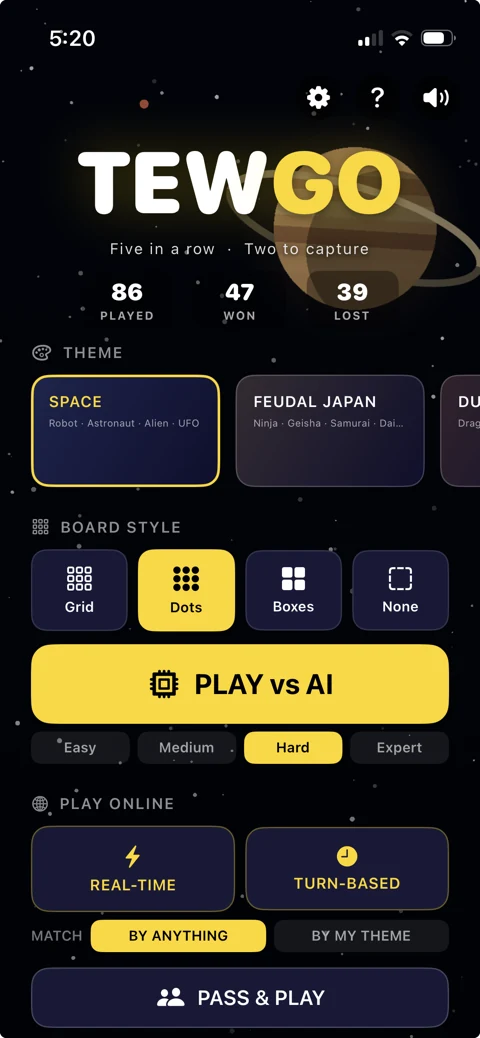
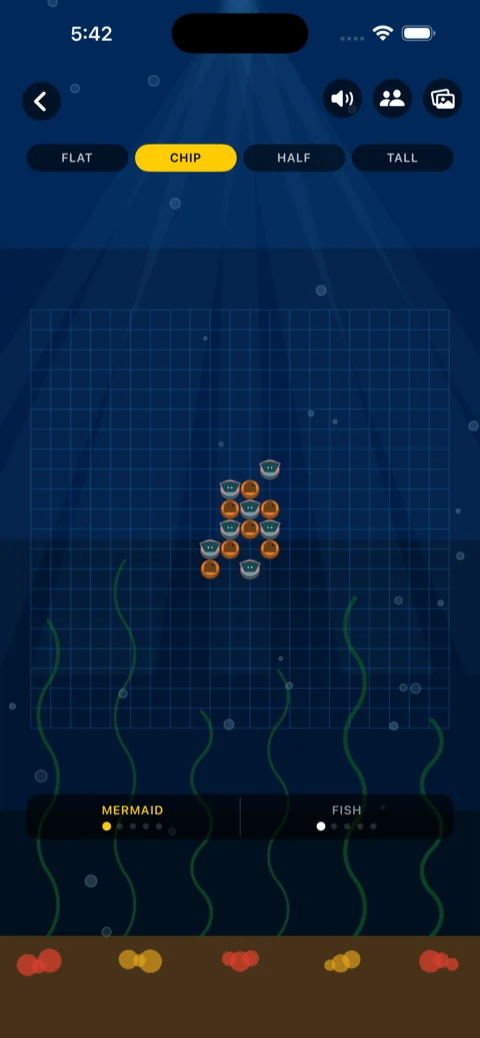
Captures from my phone: three boards, each with its own music, made by me.
On the Apple App Store. Five in a row, two to capture.
One friend wanted his team taught. Six-plus hours in, the request changed to "could you just do it for us?" Now his support desk drafts a reply to every customer mail and a person presses send. Another had run a factory on paper since 1998; front office and back, it became one system. A third wanted his members turned into authors, with an AI coach that asks questions but never writes for them.
Those requests are why this page exists. You do not have time to learn this, and you should not have to. I call it AI to HI: I run the AI, you get your time back for Human Interaction. The handshakes, the classes, the customers. The rest of this page is what that looks like for you.
The people stay unnamed on purpose.
Replies drafted while you sleep, payments that file themselves, bookings with no back and forth. Each one hands you hours back. Each works alone or as part of the whole. You never need to like computers. I only build for you what I already run. These are the parts I build with. The free look decides which ones your business gets, and I manage them. See one you want? Tap the ninja.
An AI reads every support mail, day and night, and drafts the reply from your own written answers. You read, you press send. Runs in my business today.
I want this Tew"Money received" mails file themselves and match against what is owed. One press confirms and writes the books. No more "did that payment come in?"
I want this TewPeople book you without an account or email ping-pong. Reminders, reschedules and cancels handle themselves. It ran my gym while I taught the classes.
I want this TewAI workers with their own mailboxes. Ask the numbers desk a question from your phone; the answer comes back by mail. None of them touch money or the outside world. Mine work this way today.
I want this TewA brief goes in, three drafts come out in your voice. Only the one you approve goes out, and the day's numbers land in one glance. Live in daily use.
I want this TewIt works out what your ads must deliver, drafts the copy for your approval, and never spends a cent itself. You hold the wallet.
I want this TewA guided workbook, an editorial pipeline, and an AI coach that asks better questions but never writes for the author. Running in a real publishing house today.
I want this TewThe brain behind the chat box and the drafted replies. It answers only from facts you checked and says "I don't know" rather than guess. Every miss it logs makes your library smarter.
I want this TewYour AI gets smarter only by proposing notes you approve, and nothing is ever deleted, so you always know what it knows. On in my own agents today.
I want this TewA self-audit on your page. Visitors bring their own numbers, the math tells the truth, and the answer is never held hostage for an email. The quiz further down this page is it, live.
I want this TewVoice and video inside your own app: staff dial a member, a paid room opens when payment lands, a no-show refunds itself. Built, in human testing now.
I want this TewMost of what I build is the thing somebody asked for on a Tuesday: "could you make it so..." A few of them, from my gym, my studio and some unnamed clients. Every one runs today.
If one of these sounds like your Tuesday, 🥷 my Ninja takes it from here.
Tap the ninja on any row and your message lands with my Ninja Agent first, which is the Front Desk up there answering for itself. I take it from where he leaves off.
You will never need to touch the builder tools. Your strength is elsewhere. I use the AI so you can do your HI, the part only you can do. I build your Dojo, train your ninjas on your own work, and stay close, overseeing it. In the gym I am the Sensei. In your business, same job. It grows in three steps.
Your first hire takes the one task that eats the most hours, usually the inbox. It drafts, it files, it proposes. A person presses every send, until you choose otherwise for a task.
Ninjas earn belts the way my gym kids do: by showing up and proving it. A trusted ninja gets more to do, and the desks start passing work to each other: support to bookings to money.
A workforce with one view over all of it, and me overseeing it, reporting to you in writing. Every judgment call is still yours.
Give every AI hire a 2015 job title and you get a 2015 org chart. Mine start at white belt: propose only, prove it, earn the next belt. Nothing sends, pays or posts on its own unless you choose that for a task, and only after it has been tested.
It is me doing the building, on the same stack my own businesses and my clients' run on. Nothing for you to log into, renew or fix, and your domain, your content and your data stay yours. Once it stands, your team runs the daily work and I stay close, overseeing it, in writing. I help you run it; I do not run it for you, and I am not on your payroll. Want the whole day run for you, something bigger than one Dojo, or the build inside your own accounts? That is a custom price, and we talk first. I take a limited number of clients at a time, because a sensei who takes every student teaches none of them. Already decided? Skip the back and forth and fill in The Intake: 20 to 40 minutes, a voice note and a short video, and the build starts faster. Smaller need? R2 Hosting: your site or small app, built and hosted by me, $222 to build, then $99 a month.
Twelve, on purpose: I am not qualifying you out in three taps, I am working out where I would start. It asks what you want to move, where the hours go, and how you feel about computers. The result comes from your answers alone. No email needed. The belt bar fills as you go, white through black.
No assumption that you run a company. Plenty of the best work I have seen started as somebody's side thing.
Tap everything that is true, the one that eats the most time first. This is the question that decides what I would build you, so do not be shy.
Yours or whoever does it. Wage plus the cost of them not doing something better.
Mine was a game with my name on it. It took me twenty years and one May.
There is no wrong answer here. It only changes who ends up driving.
Honest math: your number is the hours you reported, times a 60% draft-and-file share, times the hourly value you gave it. Estimates, clearly labeled as estimates, from your answers and nothing else.
I am not a marketing expert and will not become one. I am a sensei who got buried in admin, refused to call that the job, and built his way out. The builds on this page are the trail.
Then a friend stopped asking me to teach it and asked me to just do it for his company. That request is the whole business. Most people have no time to learn this, plenty do not like computers, and your hours are worth more in front of customers than in front of a screen.
So that is the trade: I do the AI so you can do the HI. The handshakes, the classes, the room. If that sounds like you, the quiz above is the quick way to find out, and the mailbox below is the short way to tell me.
Not without your say. Every ninja starts at white belt: propose only. Drafts pile up for your review, and a person presses every send, pay and post. By default nothing goes out without a press. Sending on its own is your choice, task by task, and only after it has been tested.
One exception, and it is mine: the mailbox on this page is answered first by my Ninja Agent, from answers I wrote, because that is the demo. In your Dojo nothing sends without your press unless you choose the same for a lane of your own.
A desk is one AI ninja on one job, like the Front Desk drafting your support replies. And yes: that is how every Dojo starts. The free look picks the one job that eats the most hours, usually the inbox, and one ninja takes it. More join once it has proven itself, and the price stays $2,222 a month, flat.
Yes. The solutions list and both prices sit in a tool an assistant can read, and the mailbox is a tool it can call. What it posts lands where a person's message lands, and the reply goes to the person it was sent for, not to the robot. Your own website can do the same; that is one of the things I build.
Yes, and not by me clicking around. Simulated players go first: hundreds of rounds, every button pressed, looking for stalls, dead ends and bad sums. Then a second pass in character, people of different ages and patience, reporting where they got lost. It walked this page before the chat box shipped. Real-life testing is yours: nobody knows your business and your customers like you do. Testing with hired people is an added cost.
Because trust is earned by showing up and proving it, which is how I grade kids at the gym. A ninja that has proven itself gets more to do. One that has not, does not.
Not in the list? Ask the ninja. It answers from what I wrote, and hands you to me when it cannot.
Tell me where your hours go. Or try the ninja first: drop a question in and see what comes back.
My Ninja Agent has it: check your inbox for its reply. I pick it up from there.